The best snorkeling spots in Cozumel, ranked by a local tour operator. Honest details on El Cielo, Palancar, Columbia Shallows, Paradise Reef, and the lesser-known spots that actually live up to their reputation.
The Best Snorkeling Spots in Cozumel: A Local Operator's Ranked Guide for 2026
Cozumel doesn't have the best snorkeling in the Caribbean because of marketing. It has the best snorkeling because of geology. The island sits on the northern edge of the Mesoamerican Reef — the second-largest barrier reef on Earth — and its west coast is protected by the island itself, which blocks waves and keeps visibility in the 80-to-100-foot range for most of the year.
But "Cozumel snorkeling" is not one thing. The island has a dozen distinct reef systems, and they are not equally good. Some are stunning and criminally under-visited. Some are famous and worth it. A few are famous and not worth it. After years of running water tours here, here's an honest, ranked guide to the best snorkeling spots in Cozumel for 2026 — what's real, what's hype, and which sites belong on your shore day.
What Makes a Great Snorkel Spot
Before the rankings, the criteria. A spot earns a high ranking based on:
- Water clarity (80+ feet visibility most days)
- Reef health (living coral vs. bleached or damaged sections)
- Marine life density and variety (tropical fish, rays, turtles, nurse sharks)
- Accessibility (can a beginner reach it safely with a guide?)
- Crowd pressure (how many boats does the site get on a busy cruise day?)
A perfect score on all five is rare. Most of the best sites trade one factor for another.
1. El Cielo — The One Everyone Asks For (And For Good Reason)
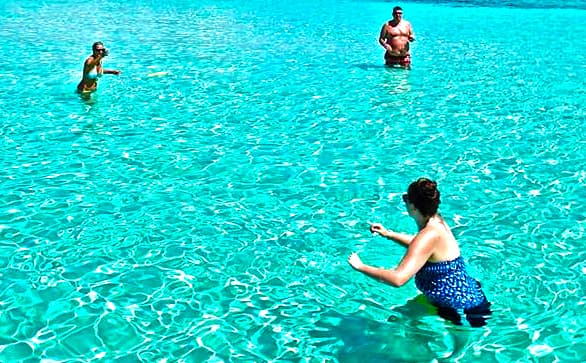
El Cielo is not technically a reef. It's a shallow sandbar on the southwestern side of the island where the water is three to six feet deep, the sand is powder-white, and the current brings dozens of starfish into a concentrated area. You can stand, float, and drift in water so clear it looks photoshopped.
What you'll actually see: Large cushion starfish (the famous "sky" reference — El Cielo translates to "the sky"), rays patrolling the edge of the sandbar, schools of juvenile fish in the grass beds, and occasionally eagle rays cruising past.
Who it's for: Everyone. Non-swimmers. Kids. Grandparents. First-time snorkelers. El Cielo is the single most accessible water experience on the island.
Real talk: It is incredibly popular, which means on cruise ship days the sandbar can have a dozen boats anchored nearby. The experience is still magical — there is genuinely no place like it — but if you want quieter conditions, book an early-morning departure. Also, do not touch the starfish. Removing them from the water kills them, and local guides will tell you this repeatedly because careless tourists still try.
Best way to visit: As part of a combined tour — either an El Cielo + reef snorkel combo or an El Cielo + catamaran run. Standalone El Cielo-only tours exist but you get better value on a combined half-day trip.
2. Palancar Reef — Cozumel's Signature Reef System
Palancar is what put Cozumel on the global dive map in the 1960s after Jacques Cousteau filmed here. Most of Palancar is deep — serious scuba territory — but the reef also has a shallow section called Palancar Gardens that sits around 20 to 30 feet, perfect for snorkelers.
What you'll actually see: Massive coral formations, enormous brain corals, purple sea fans, queen angelfish, stoplight parrotfish, spotted drum, and — on lucky days — hawksbill turtles and nurse sharks resting in sandy channels.
Who it's for: Confident swimmers comfortable floating over 20+ feet of water. The reef is below you, not at your fingertips, so if you want coral up close, this isn't your first pick.
Real talk: Palancar Gardens is a drift snorkel. You enter the water, the current does the work, and the boat picks you up downstream. This makes it effortless but it requires a competent operator who knows the timing. Beginners should go with a guide in the water, not just a boat crew.
Best way to visit: As part of a three-reef tour that combines Palancar with Columbia and El Cielo, which is the standard high-value itinerary on the island.
3. Columbia Shallows — The Underrated Star
Columbia Reef is famous among divers, but Columbia Shallows is the snorkeler's version and it is one of the most underrated sites on Cozumel. Shallower than Palancar (often 10 to 20 feet) with more structure visible at surface level.
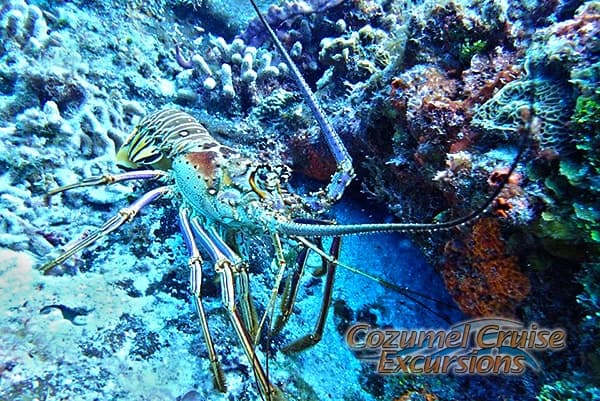
What you'll actually see: Enormous barrel sponges, thriving coral heads, green moray eels in cracks, frequent turtle sightings, schools of blue tang, and the occasional southern stingray buried in sand patches.
Who it's for: Intermediate snorkelers. The current here can pick up, especially in afternoon, and the site is best experienced as a drift. Solid swimmers love it. Absolute beginners should stick with flat-water sites.
Real talk: Columbia Shallows often delivers a better snorkel experience than Palancar on days when Palancar has heavier current. Ask your guide which reef is fishing better that morning — conditions change daily.
4. Paradise Reef — The Close-In Classic
Paradise Reef runs along the northwest coast near the cruise ship piers, which is both its strength and weakness. The strength: it's accessible on short tours and beginner-friendly. The weakness: it gets the most traffic of any reef on the island and has shown wear from decades of high-volume use.
What you'll actually see: French angelfish, sergeant majors, blue tangs, the occasional moray, and coral formations that, while not the island's best, are still striking.
Who it's for: Half-day snorkel trips, short shore-day windows, first-time snorkelers who want reef without the intensity of a drift site.
Real talk: If you only have three hours off the ship, Paradise Reef makes sense as part of a close-in tour. If you have a full day, skip it and go south to the better reefs.
5. Chankanaab Reef — Family-Friendly but Crowded
The reef just offshore from Chankanaab Park is calm, shallow, and teeming with fish that are used to human presence. The park itself is a structured attraction with beach access, amenities, and easy entry.
What you'll actually see: Yellowtail snapper, parrotfish, sergeant majors, juvenile barracuda, and — if you're lucky — the rescued manatees that sometimes appear near the boundary of the park's rehabilitation area.
Who it's for: Families with small children, first-time snorkelers who want a controlled environment, cruise passengers who don't want a long boat ride.
Real talk: You pay for the structure. Chankanaab has entrance fees and gets crowded, especially on ship days with four or five vessels in port. For the same money, a boat tour to real reef usually delivers a better snorkel. But as a low-stress, high-amenity day it's legitimately good for young families.
6. Santa Rosa Wall (Shallow Section) — For the Wildlife Hunters
Most of Santa Rosa is a serious dive wall — it drops into the abyss at 80+ feet. But the shallow shelf on top is snorkel-viable and it's where you're most likely to encounter larger pelagic life near the reef crest.
What you'll actually see: Green turtles foraging, nurse sharks resting in sandy channels, schools of horse-eye jacks, and in winter months the chance of spotted eagle rays cruising the edge.
Who it's for: Snorkelers specifically after turtle and ray encounters. Less reef structure at the surface, more wildlife.
Real talk: You're snorkeling over a wall that drops into deep water. Visually spectacular, slightly intimidating for some. A guide in the water is essential.
7. Punta Sur / Colombia Deep — Advanced Drift, Remote Location
Punta Sur and Colombia Deep sit at the southern tip of Cozumel where the island's protection ends and the current strengthens. Extraordinary reef systems, but this is the end of the island, logistics are longer, and conditions require a competent operator.
What you'll actually see: Pristine coral, large schools of grunts, occasional reef sharks on the deeper edge, healthy sea fan gardens.
Who it's for: Experienced snorkelers looking for less crowded sites. Worth the longer boat ride for the quieter reef.
Honest Rankings for Common Cruise Day Scenarios
If you only have time to do one trip, here's how we sort it:
- First time snorkeling ever: El Cielo + Paradise Reef (or Chankanaab)
- With kids under 10: El Cielo + Chankanaab
- Strong swimmers, first Cozumel visit: El Cielo + Palancar Gardens + Columbia Shallows (the classic three-reef combo)
- Repeat visitors, been to Cozumel before: Columbia Shallows + Santa Rosa Wall shallow + Palancar
- Short shore day (under 5 hours): Paradise Reef + El Cielo close-in combo
- Full day, no cruise schedule pressure: Three-reef south tour with lunch included
Our full list of snorkeling tours and reef combinations includes trips tuned to each of these scenarios, and our plan your Cozumel day tool helps match your cruise itinerary and skill level to the right tour.
When to Go (Monthly Snorkel Conditions)
- December through April: Peak season. Excellent visibility (90–100 ft), calmer waters, largest crowds, highest prices. Best reef conditions.
- May and June: Excellent snorkeling, smaller crowds, warming water, occasional afternoon squalls.
- July and August: Warm water, high humidity, generally good visibility, hurricane season begins but Cozumel rarely hits in these months.
- September and October: Peak hurricane season. Snorkeling still available on good days but more weather disruption. Cheapest prices.
- November: Transition month. Water clears up, crowds return mid-month.
Things Nobody Tells You
A few honest operator notes:
- Bring your own mask if you're picky. Rental gear is fine but not great. A $40 mask from home that fits your face properly will transform your experience.
- Reef-safe sunscreen is not optional. Mexican federal law prohibits certain sunscreen chemicals in protected marine areas, and half of Cozumel's best reefs sit inside one. Oxybenzone-based sunscreen will get rejected at marine park entries and, more importantly, it kills coral.
- Book with a licensed operator. Not someone selling off a clipboard on the pier. Licensed boats carry coast guard certification, have insurance, run proper safety briefings, and guarantee getting you back before your ship leaves.
- Tip your guide. Standard is $5–$10 per person for a half-day snorkel.
- Don't chase the turtles. If one appears, float still. They'll often come closer. Chasing them scatters them and ruins the encounter for the next boat.
Pick the Reef That Matches You
The best snorkeling spot in Cozumel isn't universal. El Cielo is the most photogenic, Palancar is the most iconic, Columbia Shallows is the most underrated, Paradise is the most convenient, and Santa Rosa is where you actually see wildlife. The right answer depends on your swimming ability, your cruise schedule, your age mix, and what you want out of the day.
Pick with intent, book with a licensed operator, and Cozumel will deliver some of the best in-water hours you'll ever spend.