A practical Cozumel map and orientation guide for cruise visitors and first-time travelers — the three piers, the downtown grid, the east coast beaches, the reef line, and how to actually get around the island.
Cozumel Map 2026: A Cruise Visitor's Guide to the Island, the Piers, and Where Everything Actually Is
If you've ever pulled up a Cozumel map before a cruise and tried to figure out how the island actually fits together — where your ship is docking, how far the beach clubs are, why the east coast looks empty while the west coast is packed, or whether you can drive the loop in a day — you're not alone. Cozumel looks deceptively simple on a map. In practice, it's a Caribbean island with a very particular geography that rewards a few minutes of orientation before you set foot on it.
This guide is built for the way real visitors use a Cozumel map: as a tool to plan a port day, find the right pier, choose a side of the island, and not waste an hour driving in the wrong direction. You can find the interactive Cozumel map on our site, but the orientation below is the part that makes the map actually useful.
The Shape of the Island
Cozumel sits in the Caribbean Sea about 12 miles east of Playa del Carmen on the Mexican mainland. The island is roughly 30 miles long (north to south) and 10 miles wide (east to west) — about the size of Singapore — and it's almost entirely flat. There's no mountain, no significant elevation, and the interior is mostly dense, low jungle. The shape on a map is a rough rounded rectangle with the long axis running north-south.
The single most important thing to understand about Cozumel geography is the west coast versus east coast split:
- The west coast faces the mainland. It's protected, calm, full of reefs, and where every cruise pier, hotel, restaurant, beach club, and town is located.
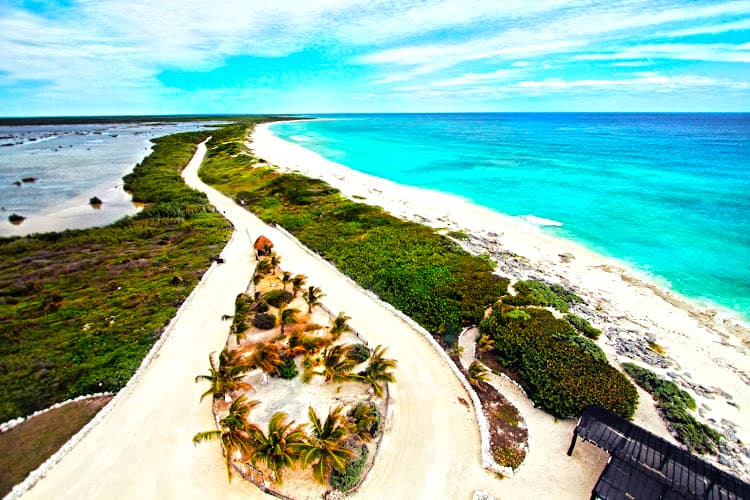
- The east coast faces the open Caribbean. It's rough, windy, mostly undeveloped, has dangerous swimming conditions in most spots, and is breathtakingly beautiful in a wild, empty way.
If you understand that split, the rest of the island map makes sense almost immediately. Everything you'll likely want to do is on the west coast or in the southern interior. The east coast is for jeep tours, photos, and a small handful of beach bars — not for swimming or snorkeling.
The Three Cruise Piers on the Cozumel Map
If you're arriving by cruise — which most visitors are — your first interaction with the Cozumel map is figuring out which of the three piers your ship is docking at. All three are on the southwest side of the island, but they're spaced out, and the difference matters.
1. Punta Langosta (northernmost pier) — Located right at the edge of downtown San Miguel. You can walk off the ship and into the central plaza in five minutes. This is the Punta Langosta pier used most often by Norwegian, MSC, and some smaller cruise ships. It's the most convenient pier for anyone who wants to spend time in downtown San Miguel without a taxi.
2. International Pier (TMM) (middle pier) — About 2-3 miles south of downtown, roughly across from the El Cid La Ceiba area. This is the International Pier used by Royal Caribbean, Celebrity, Disney, Holland America, and others. It has its own shopping area, restaurants, and a small beach, plus quick taxi access to the southern beach clubs.
3. Puerta Maya (southernmost pier) — Just south of the International Pier, about 3 miles from downtown. This is the Puerta Maya pier used primarily by Carnival ships, with the largest pier-side shopping plaza of any of the three and quick access to the southern beach club corridor.
If you're a first-time visitor to Cozumel, check your cruise documents the night before arrival for your exact pier assignment. It determines everything about how you spend the first thirty minutes off the ship.
Downtown San Miguel: The Cozumel City Center
San Miguel de Cozumel is the only real town on the island and sits on the central-west coast. It's organized on a roughly grid pattern, which makes it easy to navigate even without a map.
- Avenida Rafael Melgar runs along the waterfront and is the main commercial street — most of the cruise-targeted shopping, restaurants, and the ferry terminal are along it.
- The central plaza (Plaza del Sol) is one block inland from the waterfront, directly across from Punta Langosta pier.
- Numbered "Avenidas" run north-south inland from the water; numbered "Calles" run east-west. The system is straightforward once you've walked it.
- The Cozumel Museum, Mercado Municipal, and most of the local restaurants are within a 10-15 minute walk of the central plaza.
If you're staying on the island rather than cruising, San Miguel is where most of the small hotels, cafes, and dive shops are concentrated. If you're cruising, it's where you go for souvenirs, real Mexican food, and a glimpse of the local rhythm of the island.
The Reef Line: Why the Cozumel Map Matters for Snorkelers and Divers
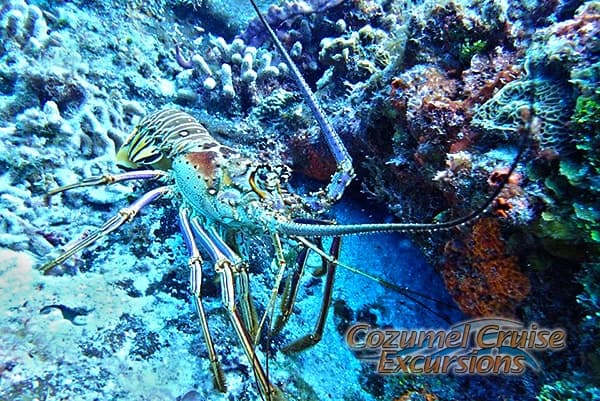
On the western side of the island, just offshore, is the Mesoamerican Reef — the second-largest coral reef system in the world. The named dive and snorkel sites run roughly south to north along the leeward side of the island:
- Palancar Reef (south)
- Colombia Reef (south, slightly north of Palancar)
- Santa Rosa Wall
- Paradise Reef (closer to the International Pier, popular for shore snorkeling)
- Chankanaab (a protected lagoon and reef area, family-friendly)
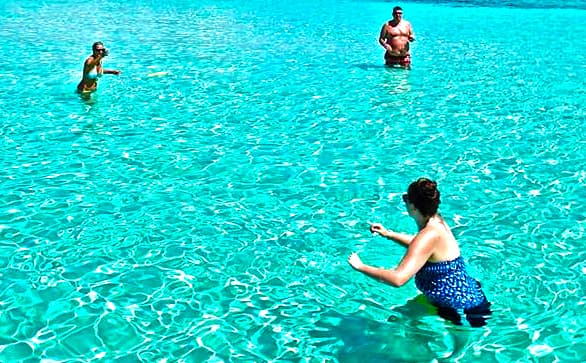
- El Cielo Sandbar (a shallow turquoise sandbar, slightly south of the western reef line, only reachable by boat)
This is where most of the Cozumel snorkeling tours operate. The reefs are accessed almost exclusively by boat from the piers along the west coast. Knowing that the entire reef system hugs the west side helps explain why nobody snorkels or dives off the east coast — there's no protected reef line on that side, just open Caribbean waves.
The Southern Loop: Beach Clubs, Jeep Routes, and the End of the Island
South of the cruise piers, the island's main coastal highway runs along the west coast through a stretch of beach clubs:
- Mr. Sancho's, Paradise Beach, Nachi Cocom, Playa Mia, and similar all-inclusive day pass resorts cluster along this corridor.
- Chankanaab Park is in this stretch, combining a beach, a reef, and a small adventure park.
- Punta Sur Eco Park is at the southern tip of the island — a lighthouse, a beach, a lagoon with crocodiles, and Mayan ruins all in one protected reserve.
The road continues east around the southern tip, then heads back north along the wild east coast — the classic "loop" that most jeep, ATV, and dune buggy tours follow. The adventure tour category covers most of these loop-style excursions.
The East Coast: Wild, Empty, and Worth Driving
The east coast of Cozumel is the part of the island most cruise visitors never see, and it's the part most experienced visitors love. Driving north from Punta Sur, you'll pass:
- Coconuts Bar — a famous cliff-top bar with panoramic views, a frequent jeep tour stop
- Playa Bonita — one of the safer east coast swimming spots
- Chen Rio — a protected cove with a small beach
- San Martin and Punta Morena — surf-style beach bars
- Long stretches of empty coastline with rocky outcrops, blowholes, and the constant sound of waves
There are no large resorts, no piers, no commercial development of any kind along most of this coast. It's protected and largely undeveloped by design. If you're on the island for a day, the east coast is best experienced by jeep, ATV, or guided tour — not by walking, because there's nothing within walking distance of anything else.
The Center of the Island: Jungle, Cenotes, and San Gervasio
The interior of Cozumel is mostly flat jungle, accessed by a few cross-island roads. The two highlights:
- San Gervasio Mayan ruins — the largest archaeological site on the island, a former sanctuary to the Mayan goddess Ixchel. About 30 minutes by car from the western piers, typically combined with jeep tours.
- The Jade Cavern cenote and a handful of other freshwater cenotes — accessible mainly by guided tour due to their location on private or protected land.
The cross-island road (the Carretera Transversal) cuts through the jungle from the west coast to the east coast — about a 15-20 minute drive. This is the road most loop-style tours take when transitioning between coasts.
Practical Cozumel Map Notes for First-Time Visitors
A few practical realities the map doesn't show:
- Distances are short, but slow. The island is small, but the coastal road is two lanes and shared with everything from scooters to tour buses. Don't plan for highway speeds.
- There is only one road on the east coast. If you start the loop, you commit to the loop. There are no shortcuts back.
- Taxis are zoned, not metered. Fares between specific zones are set, but it's worth confirming the price before getting in. Carry small bills.
- No public transportation to speak of. Local "colectivos" exist for San Miguel residents but aren't practical for tourists. Plan on taxis, rental jeeps, or guided tours.
- The ferry to Playa del Carmen runs from a terminal in downtown San Miguel — the Cozumel ferry schedule is worth checking if you're considering a mainland day trip.
Travel Logistics: Getting Around Cozumel
For most visitors, transportation falls into four categories:
- Taxis — Ubiquitous, zoned pricing, fine for short hops between the pier, downtown, and nearby beach clubs.
- Rental jeeps or cars — The most flexible option for doing the island loop independently. Available at the airport and several downtown agencies.
- Scooters — Popular but require comfort with Mexican road conditions; not recommended for first-time visitors.
- Guided tours — The path of least resistance, especially if you want to see the east coast, San Gervasio, or do a full island loop with stops. The jeep tour category covers most of these.
What to Bring and What to Expect
Before you arrive, the Cozumel packing list covers the essentials — reef-safe sunscreen, water shoes, light layers, a small dry bag for boat tours, and a basic first aid kit. For currency questions, the Cozumel money and currency guide explains when to use dollars versus pesos, where to get the best exchange rates, and standard tipping expectations. And for documents, the Cozumel passport requirements page covers what cruisers and independent travelers each need.
Planning Your Day with the Map in Mind
Once you understand the map, planning your time on Cozumel becomes straightforward. A few combinations that work consistently:
- West-coast snorkel + downtown lunch: Snorkel tour from the pier in the morning, lunch in San Miguel, browse the waterfront in the afternoon.
- Beach club day: Taxi from the pier to one of the southern beach clubs, spend the entire day there with food and drinks included, taxi back.
- Jeep loop + east coast: Half-day jeep tour covering San Gervasio, the cross-island road, the east coast, Punta Sur, and back via the southern beach corridor.
- Dive day: Two-tank reef dive on the west coast, lunch on the boat or back at the pier, light shopping before all-aboard.
If you want help matching the right combination to your ship's schedule and your interests, the plan-your-day tool walks through it with the map and your arrival time in mind.
The Cozumel Map, Demystified
The reason the Cozumel map matters is that the island is bigger than it looks, and the choice of east versus west, north versus south, downtown versus beach club shapes your entire visit. Once you understand the geography — three piers on the southwest, downtown north of the piers, reef line off the west coast, beach clubs to the south, wild empty beauty on the east, jungle and Mayan history in the center — everything else gets easier.
Spend five minutes with the map before you book anything. The island will thank you for it, and so will your photos.