
A Cozumel tour can make or break a port day. This guide walks first-time and returning cruisers through choosing the right excursion based on pier, time in port, group, weather, and budget — plus the local-operator advantages most cruisers leave on the table.
How to Pick the Right Cozumel Tour for Your Cruise Day in 2026
A Cozumel cruise day is short. Most ships are in port for seven to nine hours, and a meaningful chunk of that is eaten up by disembarkation, the taxi to your meeting point, and the all-aboard buffer at the end. So the real question — the only question that matters — is how to pick a single Cozumel tour that fits your group, your pier, and your weather window, and leaves you on the ship before the gangway closes.
This guide is for first-time and returning Cozumel cruisers who want a calm, clear way to make that decision. It covers the categories of Cozumel tours you have to choose between, the tradeoffs that matter, and the planning steps that consistently turn an okay port day into the highlight of the cruise. If you would rather skip the framework and look at the actual lineup, our browse-all Cozumel tours page and the things to do in Cozumel directory are both good starting points.
Step One: Know Your Pier and Your Time in Port
Cozumel has three working cruise piers, and the one your ship arrives at meaningfully changes which Cozumel tours are practical for you.
- Punta Langosta pier — downtown, walking distance to shops and the ferry terminal.
- Puerta Maya terminal — the most common Carnival pier, just south of downtown.
- International Pier — used by a rotating group of lines, also south of downtown.
If you are not sure which pier you will use, the cruise line's app usually shows your assignment 24 to 48 hours before arrival, and our Cozumel cruise port overview explains how to read the daily assignments.
Your time in port matters even more. A ship in for nine hours can absorb a long ATV or cenote tour. A ship in for six can really only handle one well-timed snorkeling or beach excursion plus lunch. The plan your day tool lays out realistic timelines for both scenarios.
Step Two: Know Your Group
This is the step most cruisers skip and most regret. The "best" Cozumel tour is whichever one matches everyone in your party. Five honest questions to ask before booking:
- Is anyone uncomfortable in deeper water?
- Is anyone prone to motion sickness?
- Is anyone over 65 or under 8 (both ends of the age range have specific tour considerations)?
- Does anyone want to drink, and does anyone definitely not want to be on a tour where everyone is drinking?
- Does the group prioritize adventure, photos, relaxation, or culture?
Couples on a romantic anniversary cruise, families with young kids, divers, and a bachelor party headed to Cozumel for the day all want fundamentally different excursions. Our first-time Cozumel visitors guide has more on framing this conversation before money changes hands.
Step Three: Pick the Right Category
Cozumel tours sort cleanly into a handful of buckets. Pick the bucket first, then pick the specific tour.
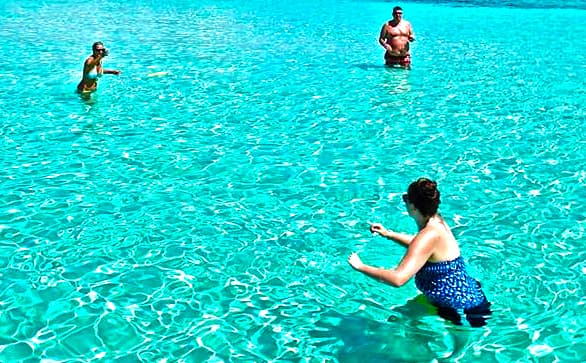
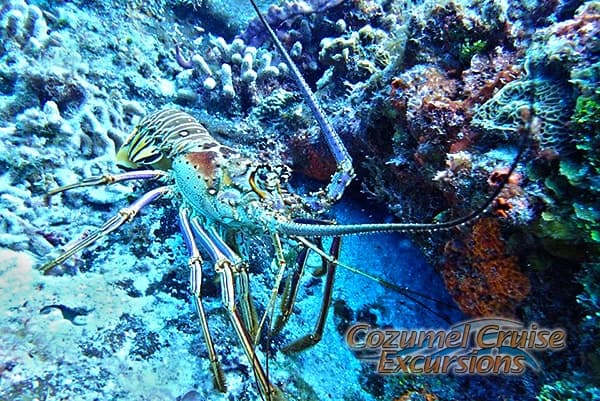
Snorkeling. The default Cozumel choice for good reason — Cozumel sits on the second-largest reef system in the world. Snorkeling tours range from a single reef stop to multi-reef boats to El Cielo sandbar trips. If anyone in your group has never snorkeled, this is still the most reliable bet.
Diving. Cozumel is a world-top-three Caribbean diving destination, with Palancar, Santa Rosa Wall, and Columbia Reef as the marquee sites. Cozumel scuba diving is for certified divers and for total beginners doing a discover-scuba program. Casual swimmers should stick with snorkeling.
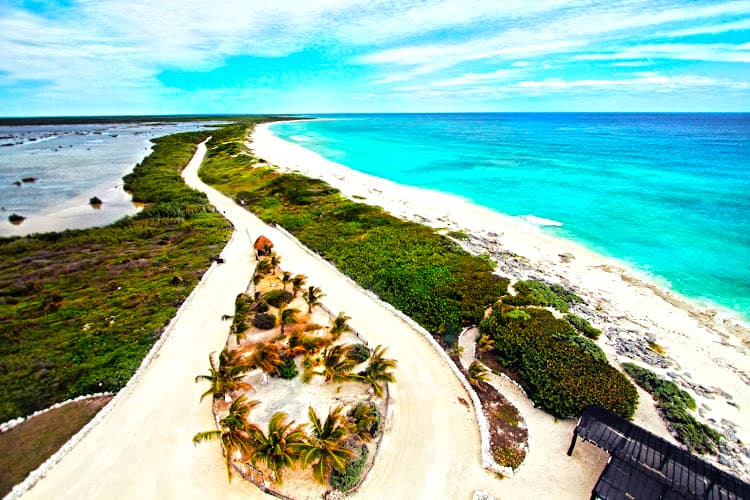
Adventure (jeep, ATV, dune buggy). Adventure tours and jeep tours cover the wild east side of the island, beaches inaccessible from downtown, and combo trips that pair off-roading with snorkeling or beach time. Best for active groups, terrible if anyone has back issues.
Fishing. Cozumel fishing charters target mahi-mahi, wahoo, sailfish, and tuna depending on the season. Half-day charters fit a port day; full-day charters require a longer port window.
Private and custom. Private Cozumel tours are the right choice for multi-generational families, mobility-limited travelers, and anyone who wants to set the pace and the stops. The pricing is by vehicle, not per person, so larger groups often pay less per head than a "group" tour would charge.
If you cannot decide between two categories, the compare Cozumel tours page puts them side by side on price, duration, and inclusions.
Step Four: Match the Tour to the Day's Conditions
The single biggest variable in a Cozumel port day is the weather, and specifically the wind. East side of the island is exposed and gets choppy faster than people expect. West side, where almost all the snorkeling reefs and El Cielo sit, is much more sheltered.
Calm, clear day. Snorkeling, El Cielo, catamaran, and beach club tours all hit their best version on a calm day. Visibility on the reefs can exceed 100 feet.
Windy day. Adventure tours, jeep tours, and inland excursions become more attractive. Boat-based tours still operate, but expect a rougher ride and reduced visibility. Anyone prone to seasickness should pivot away from boats entirely.
Rain in the forecast. Caves and cenotes shine on rainy days, since you are underwater anyway. Sheltered beach clubs are still functional. Open-air ATV tours become miserable.
Cozumel's high season is December through April. Shoulder season runs through May, June, and November. The rainy season is September and October, which also overlaps with hurricane season — book a tour with a real cancellation policy if you are sailing then.
Step Five: Read the Small Print Before You Pay
Three things separate a clean Cozumel tour booking from a messy one:
- Cancellation policy. Specifically: what happens if your ship cannot dock due to weather? A reputable operator refunds in full. A bad one sends you a credit you cannot use.
- Group size. "Up to 12" is very different from "up to 40" on the same boat. Smaller groups mean better in-water time and less waiting.
- What is actually included. Snorkel gear, drinks, food, transportation between the pier and the meeting point — all of these are commonly bundled or unbundled with no rule.
Our why us page and safety standards page lay out what to expect from a serious local operator, and the reviews page shows where it actually plays out in real cruiser feedback.
Booking Direct vs. Booking Through the Ship
Most cruise lines sell branded "Cozumel shore excursions" at a noticeable markup. The catch is that the actual operators on the ground are local Cozumel companies — the same ones cruisers can book directly. The trade-off is real and worth understanding:
Booking through the ship.
- Pro: if the tour is late getting back, the ship will not leave without you.
- Pro: payment, refund, and complaint flow through one entity.
- Con: 25 to 40 percent markup is normal.
- Con: groups are usually larger.
Booking direct with a local operator.
- Pro: lower price, smaller groups, more flexibility.
- Pro: better access to specialty tours that ships do not bother selling.
- Con: you are responsible for getting back on time. (This is mostly a non-issue if you book a tour ending well before all-aboard.)
For most cruisers, booking direct is the better deal as long as you choose a transparent operator and leave a safe time buffer.
Cruise-line specific landing pages — Celebrity Cruise Cozumel, Princess Cruise Cozumel, and Holland America Cozumel — show the equivalent direct-book Cozumel tour options for those lines.
Practical Pre-Cruise Logistics
A few details that catch first-time Cozumel cruisers off guard:
- Passport requirements. U.S. cruisers on closed-loop sailings can technically use a birth certificate plus government ID, but a passport is strongly recommended. Our Cozumel passport requirements page explains the rules.
- Currency. Mexican peso is the local currency, but U.S. dollars are accepted everywhere on the cruise side of the island. Card acceptance is wide. Our Cozumel money and currency guide covers tipping conventions and ATM tips.
- Packing. Reef-safe sunscreen is required (and enforced) on most snorkel tours. Water shoes are useful for beach clubs with rocky entries. The what to bring to Cozumel guide is the short list.
- Ferry to the mainland. Some cruisers want to use the Cozumel day to visit Playa del Carmen or Tulum. Possible, but tight. The ferry schedule page shows the realistic windows.
Cozumel Tour Pricing in 2026
Pricing is largely stable in 2026. Rough per-adult ranges:
- Group snorkeling: $55–$90.
- Catamaran snorkel-and-sail: $80–$140.
- Discover scuba: $130–$170; certified two-tank: $110–$160.
- ATV / dune buggy / jeep: $90–$160 per adult; $300–$500 for a private jeep vehicle.
- Beach club day passes: $45–$95.
- Half-day fishing charter: $700–$1,000 per boat.
- Cenote / inland: $80–$140.
Watch the Cozumel deals page for seasonal discounts, and see the gift cards page for cruisers buying tours as gifts.
Putting the Decision Tree Together
A practical decision flow for a typical 9-hour Cozumel port day:
- Check pier and arrival time the night before via the cruise app and the cozumel cruise port page.
- Check the morning weather and wind direction.
- Pick one category based on group + weather. Don't try to stack three tours.
- Book direct with a transparent local operator. Confirm cancellation and group size.
- Plan to be back at the pier 60 minutes before all-aboard. 90 if it's your first time.
- Eat something before the tour. Hydrate. Wear the reef-safe sunscreen.
When you are ready, our Cozumel tour booking page handles direct reservations, and the contact team is available if you want a Cozumel tour matched to your specific ship, pier, and group before you commit.
A great Cozumel day is mostly about restraint. One well-chosen tour, executed without rush, with time to actually enjoy it — that is what cruisers remember years later. Use the framework, pick the category that fits your group, and let Cozumel do what it does.