Snorkeling Cozumel is a bucket-list experience thanks to the world-class Mesoamerican Reef. This guide covers the best snorkeling spots, what to expect on a guided tour, and how to choose the right Cozumel snorkeling excursion.
Snorkeling Cozumel: The Complete Guide to the Best Spots, Tours, and Tips for 2026
Snorkeling Cozumel is not just a vacation checkbox — it's genuinely one of the top snorkeling experiences on the planet. The island sits at the edge of the Mesoamerican Barrier Reef, the second-largest coral reef system in the world, and the underwater conditions here are exceptional: warm water (78–84°F year-round), visibility that routinely exceeds 80–100 feet, and a marine ecosystem dense with color and life.
Whether you're arriving on a cruise ship with 6 hours to spare or staying on the island for a week, cozumel snorkeling belongs on your itinerary. This guide covers everything — the best spots, what a guided tour actually includes, how to evaluate your options, and what to bring.
Why Cozumel Is One of the World's Best Snorkeling Destinations
Most tropical snorkeling destinations offer decent reefs. Cozumel offers something else: a reef that has been a protected marine park since 1996, clear downwelling currents that keep the water oxygenated and visibility high, and coral structures that survived the 2005 Hurricane Wilma damage and have been actively regenerating.
The result is a reef with:
- Massive brain and star coral formations — some as large as a small car
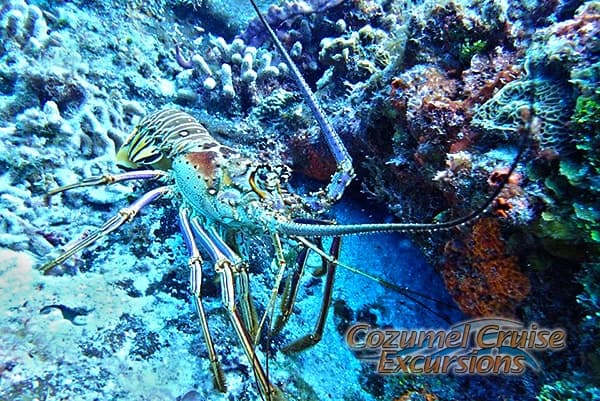
- Abundant sea life — green sea turtles, spotted eagle rays, nurse sharks, barracuda, queen angelfish, parrotfish, and hundreds of reef fish species
- Drift snorkeling — Cozumel's mild northward current allows you to drift effortlessly along the reef wall without swimming against the water
- Multiple depth levels — from 4-foot shallow patches ideal for beginners to 30-foot sections that reward snorkelers willing to free-dive
The west coast of Cozumel — protected from Atlantic swells by the island itself — is where virtually all snorkeling occurs. The sites are within 10–30 minutes by boat from the main pier.
For guided cozumel tours built around the reef, including options for first-timers and families, Cozumel Cruise Tours offers itineraries designed to match cruise ship schedules and experience levels.
The Best Snorkeling Spots in Cozumel
Palancar Reef
The crown jewel. Palancar stretches approximately 5 km along Cozumel's southwest coast and encompasses multiple zones — Palancar Gardens, Palancar Caves, Palancar Bricks, and Palancar Horseshoe. The coral formations at Palancar are among the most dramatic in the Caribbean.
Snorkeling conditions: Excellent for intermediate snorkelers. The shallow sections at Palancar Gardens (8–15 feet) are accessible to most swimmers. The caves and walls descend further and reward free-divers. Current is gentle at most sites.
Wildlife highlights: Eagle rays are common at Palancar, as are green sea turtles. Nurse sharks rest on the sandy bottom near the caves. Parrotfish, sergeant majors, and queen angelfish are abundant.
Colombia Shallows
Colombia Shallows is often overlooked by tourists who head straight for Palancar, but experienced snorkelers regard it as one of the most satisfying sites on the island. The shallows — 5–15 feet throughout — allow extremely close encounters with coral structures and marine life without the need to descend.
Why it's special: Sea turtle density at Colombia Shallows is exceptional. It's common to see 3–5 turtles on a single snorkeling pass. The coral formations include some of the most intact brain coral on the reef.
Yucab Reef
Yucab is a shorter reef with impressive coral gardens and consistent wildlife. It's popular for morning tours (water clarity is best early), and the current here allows comfortable drift snorkeling with minimal effort.
Ideal for: First-time snorkelers, families with children, and anyone who wants guaranteed wildlife encounters without needing to cover distance.
Santa Rosa Wall
Technically a dive site, Santa Rosa Wall has a shallow portion that advanced snorkelers who are comfortable free-diving to 15–20 feet can access. The wall drops dramatically — not something you can appreciate from the surface — but the upper reef section is spectacular in its own right.
For advanced snorkelers only. The current here can be stronger than at other sites.
Dzul Ha (Chancanab Reef)
Located near the popular Chancanab National Park, Dzul Ha is one of the most accessible snorkeling spots from shore. It's possible to reach this reef directly from the beach — no boat required. Depth is 10–20 feet, marine life is abundant, and the site is particularly good for families who want flexibility.
What a Cozumel Snorkeling Tour Actually Includes
Understanding what's included in your snorkeling cozumel excursion avoids surprises and helps you compare options meaningfully.
Standard inclusions:
- Boat transportation to 2–3 reef sites
- Snorkeling equipment (mask, fins, snorkel, life vest)
- Bilingual guide in the water with you
- 45–60 minutes at each site
- Safety briefing before entering the water
Common extras (included at some operators, additional cost at others):
- Underwater cameras or GoPro rentals
- Professional underwater photography
- Post-snorkel refreshments (ceviche, drinks)
- Pick-up/drop-off at the pier
What's usually NOT included:
- Reef-safe sunscreen (bring your own — it's required and pier pricing is inflated)
- Water shoes (recommended for some entry points)
- Gratuity for guides
Duration: Most snorkeling tours run 2.5–3.5 hours from pier departure to return. Plan for a full half-day.
How to Choose the Right Snorkeling Excursion in Cozumel
The difference between a good snorkeling tour and a great one comes down to a few factors:
Group size: Smaller groups (8–12 people) allow the guide to give more attention per swimmer and position the boat at less-crowded entry points. Large group tours (20–30 people) tend to be cheaper but more chaotic, particularly for nervous swimmers.
Reef sites: Ask specifically which reefs are included. Palancar and Colombia are the premium sites; some budget tours visit Yucab only. Not that Yucab is bad — it's not — but the premium sites offer notably better experiences.
Guide expertise: The best guides know the reef intimately, can position you for turtle and ray encounters, and can coach nervous snorkelers confidently. Ask whether guides are certified divers (a good indicator of underwater comfort and competence).
Cruise schedule coordination: For cruise passengers, this is the variable that matters most. Confirm the tour's return time relative to your ship's all-aboard time. Experienced operators like Cozumel Cruise Tours build their schedules around ship departures.
Browse the full range of Cozumel snorkeling and tour options to compare formats, durations, and inclusions before you arrive.
Isla Pasión Cozumel: The Beach Day Alternative
Not everyone wants to be in the water for three hours. If your group includes non-snorkelers — or if you want to balance reef time with beach relaxation — Isla Pasión Cozumel is the natural complement.
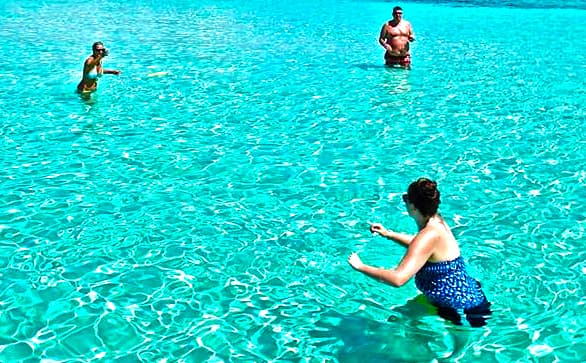
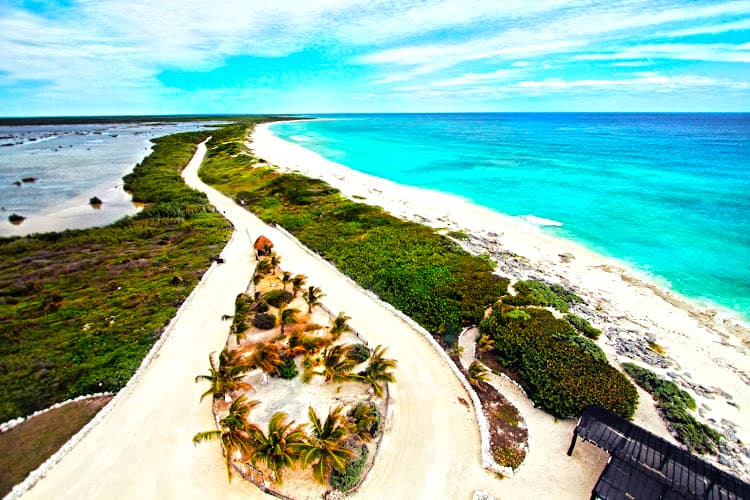
Isla Pasión is a small private island off the north coast of Cozumel with shallow, protected water and a white-sand beach. It's accessible only by boat (excursion packages handle this), and the relative difficulty of access keeps crowds low compared to the main beach clubs.
Many cozumel excursions packages combine a snorkeling stop at a reef with beach time at Isla Pasión afterward — giving you the best of both experiences in a single day. This is a particularly good structure for cruise passengers who want to maximize variety within a limited time window.
Snorkeling Cozumel: Safety and Practical Tips
Water entry and exits: Some reef sites require a giant stride from the back of the boat; others have ladder entry. If you're not comfortable with water entries, let your guide know — good guides can coach you through it.
Current awareness: Cozumel's current is generally drift-friendly (it pushes you along the reef rather than against it), but it varies by site and tide. Always snorkel with a guide and do not separate from the group.
Life vests: All reputable tours provide life vests for non-swimmers or weak swimmers. Don't skip the vest out of ego — it lets you relax and enjoy the reef instead of burning energy staying afloat.
Marine park rules: Cozumel is a national marine park. Do not touch coral (even accidentally — a single touch damages years of growth), do not collect anything, and use only reef-safe sunscreen. These rules are enforced, and they matter ecologically.
Reef-safe sunscreen: Non-reef-safe sunscreens (containing oxybenzone and octinoxate) are banned at marine sites. Brands like Raw Elements, Badger, and Thinksport are reef-safe. Buy before you arrive; pier prices are marked up significantly.
Hydration: You're out in direct Caribbean sun. Drink water before and after the tour. Most tours don't provide water on the boat; bring a bottle.
When Is the Best Time for Snorkeling in Cozumel?
Cozumel's snorkeling is excellent year-round, but conditions vary:
November–April (Peak season): Drier, cooler air, calm seas, and excellent visibility. This is when conditions are most consistently ideal. Also the busiest period for cruise ships, so book excursions early.
May–July (Shoulder season): Warmer, slightly more humid, but still excellent snorkeling conditions. Crowds thin between cruise calls. Water temperature peaks (82–84°F).
August–October (Hurricane season): Cozumel is in the hurricane belt. While direct strikes are rare, swells and choppy conditions can affect snorkeling quality during this period. Check forecasts. When conditions are good, the reef is often less crowded and equally beautiful.
Things to Do in Cozumel Beyond Snorkeling
Cozumel has more to offer than its reef, though the reef is hard to top. For a complete picture of island activities — ATV jungle tours, Mayan ruins at San Gervasio, Chancanab National Park, beach clubs, and food — visit the things to do in Cozumel guide for detailed planning resources.
Frequently Asked Questions About Snorkeling Cozumel
Q: Do I need to know how to swim to go snorkeling in Cozumel? A: Technically no — life vests are provided and some guided tours accommodate non-swimmers in shallow areas. In practice, being comfortable in the water makes the experience significantly more enjoyable. If you're a weak swimmer, tell your guide before entering the water.
Q: What's the water temperature for snorkeling in Cozumel? A: 78–84°F year-round. No wetsuit needed; most snorkelers find a rash guard sufficient for sun protection.
Q: Is snorkeling in Cozumel appropriate for kids? A: Yes — it's one of the most family-friendly snorkeling environments in the Caribbean. The shallow reefs, calm current on the lee side, and clear water mean even children (with life vests) can enjoy the reef. Most operators accept children 5 and older.
Q: How far in advance should I book a snorkeling tour? A: 1–3 weeks before your cruise or trip. Popular tours — particularly those that combine reef snorkeling with Isla Pasión — sell out during peak season. Book through Cozumel Cruise Tours to secure your spot and confirm the schedule aligns with your ship.
Q: Is the snorkeling at Cozumel better than at other Caribbean ports? A: Objectively, yes — for reef quality and visibility. Cozumel's position at the edge of the Mesoamerican Reef, combined with its protected marine park status and excellent water clarity, puts it in a different category from typical Caribbean beach destinations. It's consistently ranked among the top 5 snorkeling destinations in the world.
Q: What snorkeling equipment should I bring vs. rent? A: Most tours include equipment, and it's generally adequate. If you're particular about mask fit (which affects comfort significantly), bringing your own mask is worthwhile. Everything else — fins, snorkel, vest — is fine to rent.
Ready to Book Your Cozumel Snorkeling Tour?
Snorkeling Cozumel is one of those experiences that genuinely exceeds expectations. The reef is real, the wildlife is abundant, and the conditions are consistently excellent. The key is booking with operators who know the reef, coordinate with cruise schedules, and keep groups small enough to give you the experience rather than a group shuffle.
Explore snorkeling tours and all cozumel excursions options at Cozumel Cruise Tours — with departures matched to cruise ship schedules and guides who know every turtle's favorite coral head.